
In 30 seconds
- For 2027, Open Enrollment on HealthCare.gov runs from November 1, 2026 to January 15, 2027.
- Bronze, Silver, Gold and Platinum say what share of costs the plan pays; extra savings only come with Silver.
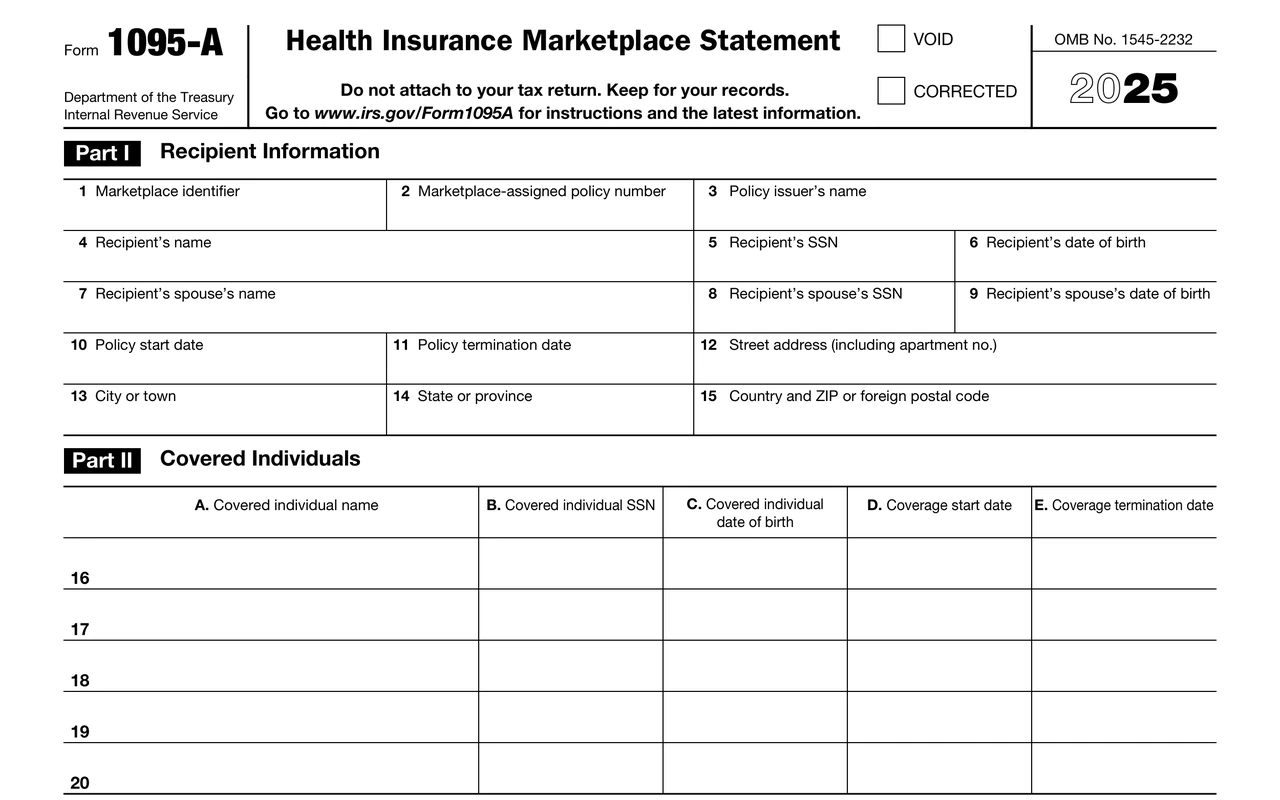
- If your income changes, report it: the help is checked on your taxes with Form 1095-A.
What it is and where to apply
It's health insurance you buy on the Health Insurance Marketplace: on HealthCare.gov (opens in a new tab), which has a Spanish version at CuidadoDeSalud.gov (opens in a new tab), or on your state's website if it runs its own. It comes from a 2010 law called the Affordable Care Act.
22 of the 51 (50 states and DC) run their own insurance website. See which one is yours.
Who can apply
It depends on where you live, your immigration status and whether you already have insurance through work. The rules change from time to time, so don't go by what worked for someone you know in another year: we check it with the current year's rules.
When to enroll
Nov 1 – Jan 15
2027 Open Enrollment in states that use HealthCare.gov: from November 1, 2026 to January 15, 2027. States with their own website may have different dates.
Source: HealthCare.gov, Dates and deadlines (opens in a new tab)Outside those dates you can only enroll if something happens that opens a special period: losing job-based insurance, moving, getting married, having a baby… You usually have 60 days from the event.
Bronze, Silver, Gold and Platinum
The colors don't say whether a plan is better or worse: they say how medical costs are split between you and the plan.
A Bronze plan usually has the lowest premium and you pay more when you see a doctor; a Gold plan, the other way around. And an important detail: according to HealthCare.gov, extra savings on copays and deductibles only come if you pick a Silver plan.
Help based on your income
If your household income is within certain limits, the government pays part of your premium every month. In general, the less you earn, the more help you get. It's based on what you expect to earn for the year: that's why it pays to estimate it well and report changes.
Form 1095-A: your insurance goes into your taxes too
If you had Obamacare, even for one month, the Marketplace sends you Form 1095-A. It arrives by mail by mid-February, and it may be in your Marketplace account as early as mid-January.
It's used to compare the help you got with what you actually earned. If you earned more than estimated, you may have to pay part of it back; if you earned less, you may get more. We handle it on your return.
Mistakes that cost money
- Not comparing plans: look at the premium, the deductible and whether your doctors are in the network.
- Estimating your yearly income badly.
- Not reporting a change in income, address or family.
- Filing your taxes without Form 1095-A.
Official sources
- HealthCare.govOpen Enrollment dates and deadlines (opens in a new tab)
- HealthCare.govPlan categories (Bronze, Silver, Gold, Platinum) (opens in a new tab)
- HealthCare.govSpecial Enrollment Period (opens in a new tab)
- HealthCare.govForm 1095-A (opens in a new tab)
- CuidadoDeSalud.govHealth Insurance Marketplace in Spanish (opens in a new tab)
Checked on October 8, 2026. General information about Obamacare. What applies to you depends on your state, your family and your income.