
In 30 seconds
- Your name and number exactly as on your Social Security card or your ITIN letter.
- Report everything you earned, including cash and app payments: the IRS compares it with the forms it receives.
- Check your bank account digit by digit and keep your signed copy.
Your details, exactly as on your card
The most common mistake is also the easiest to avoid: a name spelled differently, a Social Security number with two digits swapped or the wrong filing status. If your details don't match Social Security records or your ITIN, your return gets delayed.
- First and last name as they appear on your Social Security card or ITIN letter.
- The number of everyone on the return: you, your spouse and your dependents.
- Your marital status on the last day of the year: single, married, head of household…
Everything you earned, with or without a form
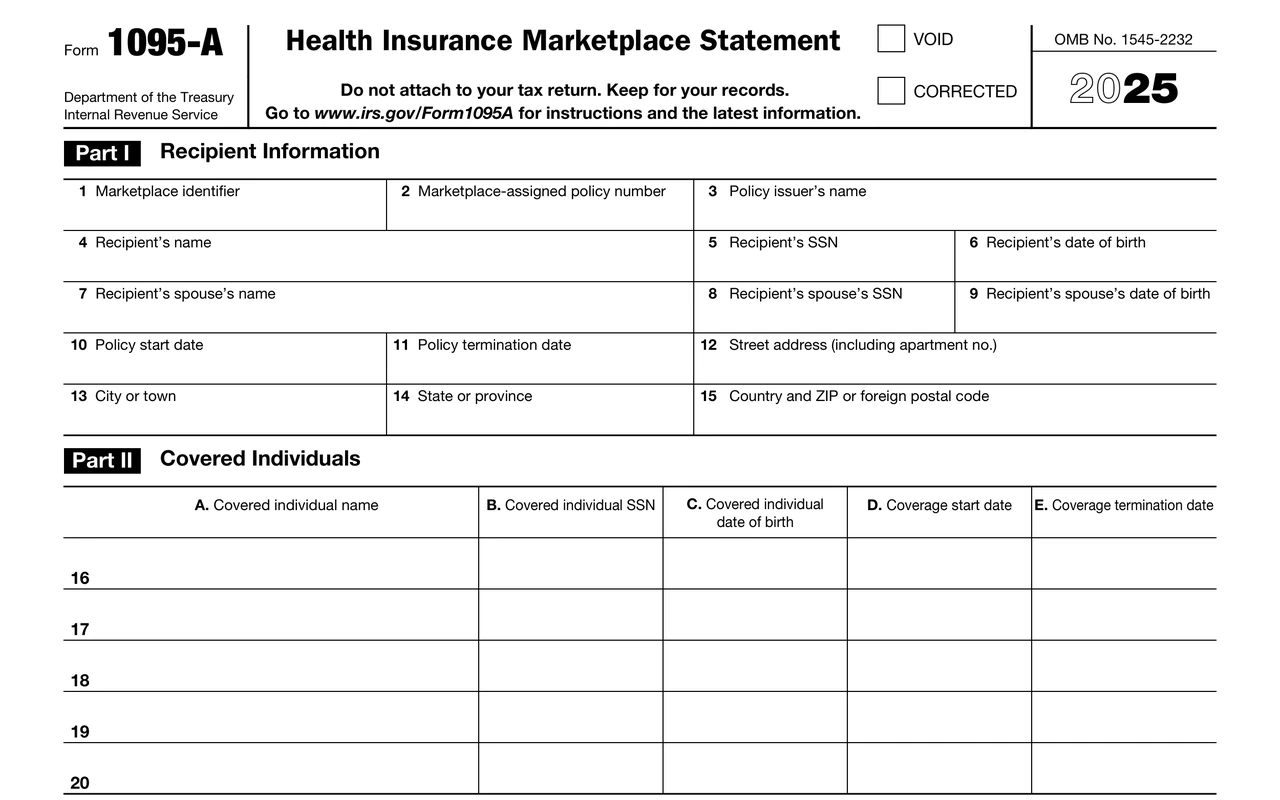
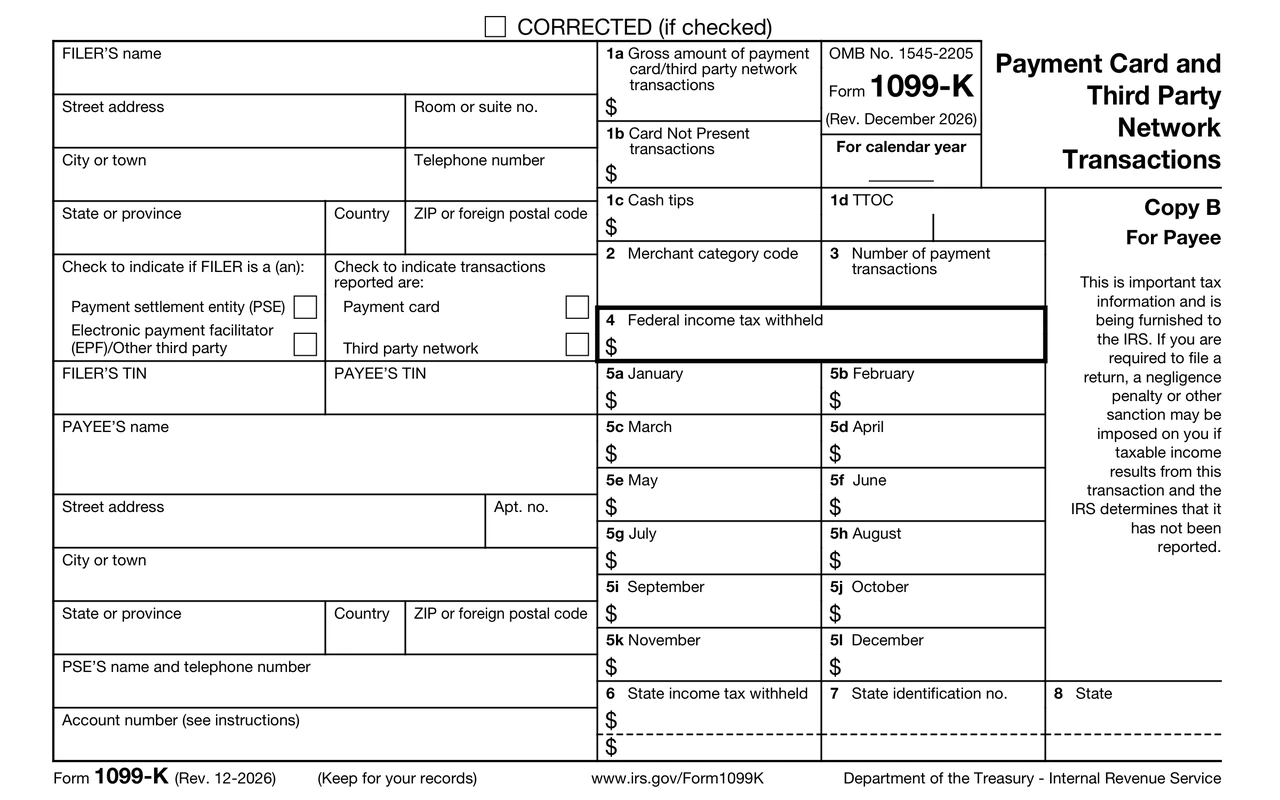
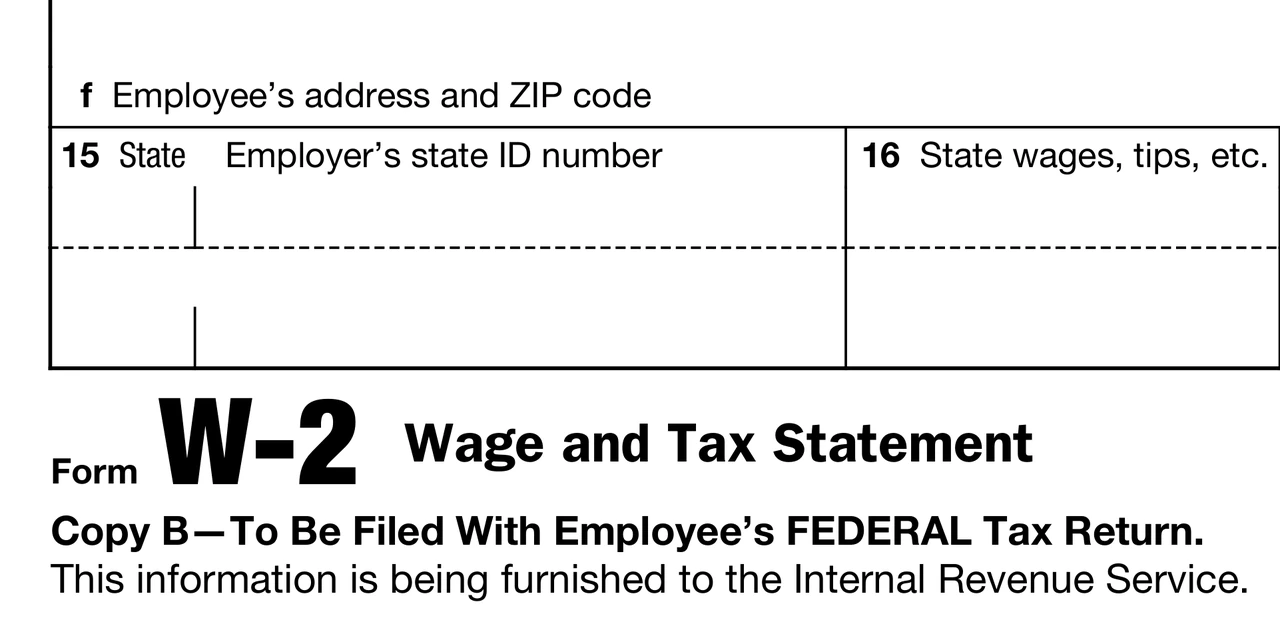
You have to report all of the year's income: your W-2s, your 1099s and also what you were paid in cash, by Zelle or through an app. The IRS gets a copy of the W-2s and 1099s sent to you and compares them with your return. If one is missing, you'll usually get a letter months later.
Don't ignore it: many have a date to respond by. See what to do with an IRS letter.
If you're self-employed, besides regular income tax there's self-employment tax. We explain it in 1099 taxes.
The credits you qualify for, with their papers
Some credits lower what you pay, like the Earned Income Tax Credit (EITC) (opens in a new tab) or the Child Tax Credit (opens in a new tab). Each one has its rules. For example, according to the IRS, for the Child Tax Credit each child needs a Social Security number valid for work; a child with an ITIN may count for a smaller credit for other dependents.
The key: only claim what you can prove with papers. We check the credits the law gives you. We don't promise refund amounts.
Standard or itemized deduction: do the math
You can subtract a fixed amount, the standard deduction, or add up certain expenses one by one, like mortgage interest or donations: that's itemizing. You use whichever is larger. The math is done with your papers, not by guessing: we do it and tell you which one we used and why.
Your bank account, digit by digit
If your refund goes to your account, a wrong number can delay it or send it to someone else's account. Copy the routing and account numbers from a check or from your bank, not from memory.
3 weeks
That's how long a refund for an e-filed return usually takes, according to the IRS. It can take longer, and the IRS decides: you can track it with “Where's My Refund?”.
Source: IRS, Refunds (opens in a new tab)Sign once you understand it, and keep your copy
Before signing, ask for your return to be explained: how much you earned, which credits are included and whether you owe or get money back. Then keep your copy and the papers that back it up.
3 years
That's the general period the IRS gives for keeping the records of a return. In some cases it's longer.
Source: IRS, How long to keep records (opens in a new tab)The dates you can't miss
- February 1, 2027
Employers have until February 1, 2027 to give you your 2026 W-2.
- April 15
Last day to file your return and pay what you owe. If it falls on a weekend or holiday, the next business day counts.
- October 15
With Form 4868 you get six more months to file. The extension is not to pay: what you owe is due in April.
All the dates, with their source, in the dates of your tax year.
Official sources
- IRSWhen and how to file (opens in a new tab)
- IRSRefunds and “Where's My Refund?” (opens in a new tab)
- IRSEarned Income Tax Credit (EITC) (opens in a new tab)
- IRSChild Tax Credit (opens in a new tab)
- IRSHow long to keep records (opens in a new tab)
Checked on October 8, 2026. General information about taxes. For your specific case, we look at it with your papers.